


While the dramatic scenery of the Canadian Rockies is a big draw, catching a glimpse of the wildlife that calls this area home is a highlight for many Rocky Mountaineer guests!
Maybe it’s spotting a mama bear with a couple of cubs that’s top of your list, or perhaps hearing the elk bugling during their mating season is what you’re hoping to experience in the Canadian Rockies.
Of course, sightings are never guaranteed, they are “wild”, but if wildlife watching is top of your list, we’ve put together five top tips for increasing your chances of spotting some of the local fauna on your vacation.
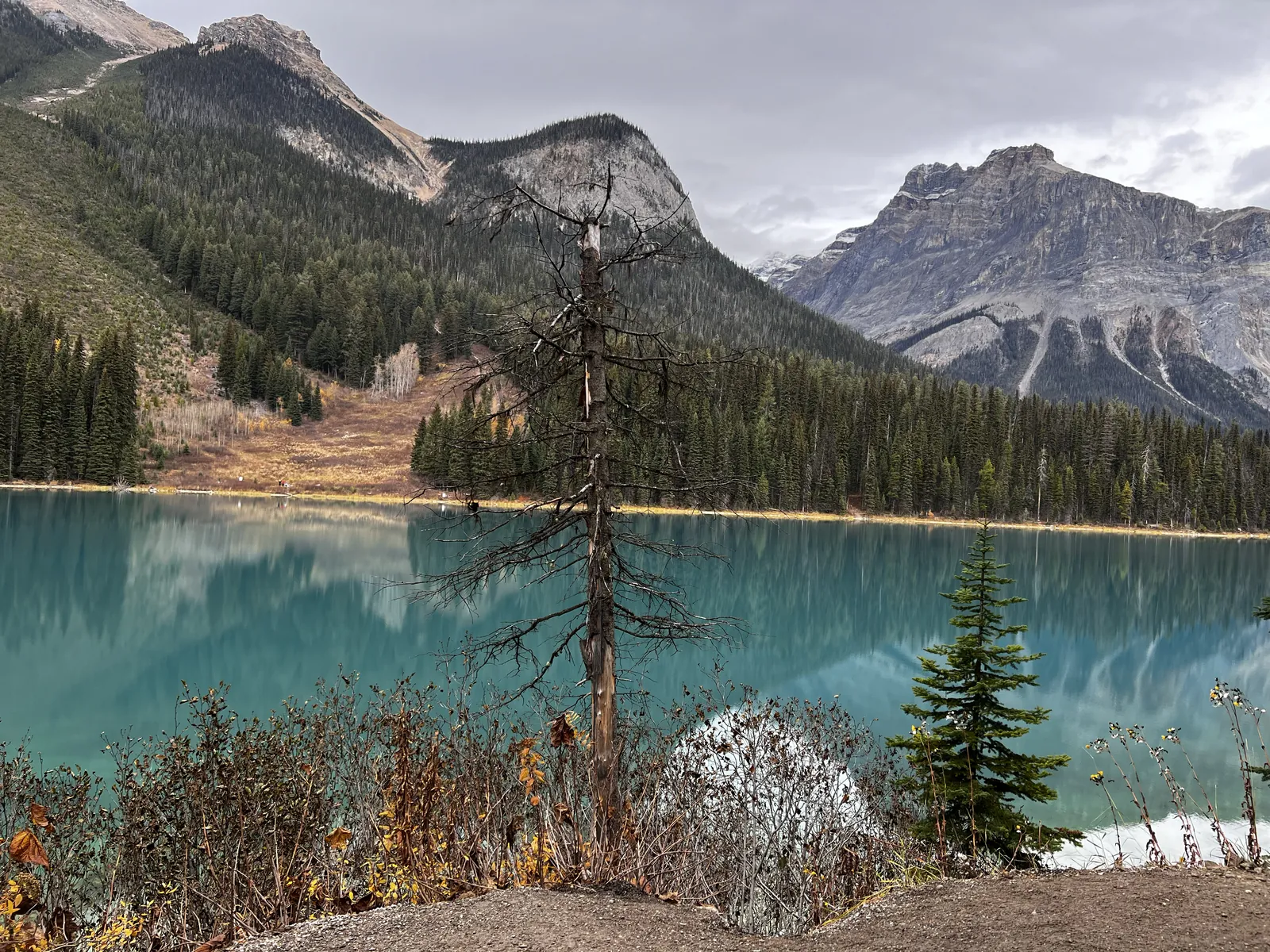
Book a spring or fall vacation in the Canadian Rockies
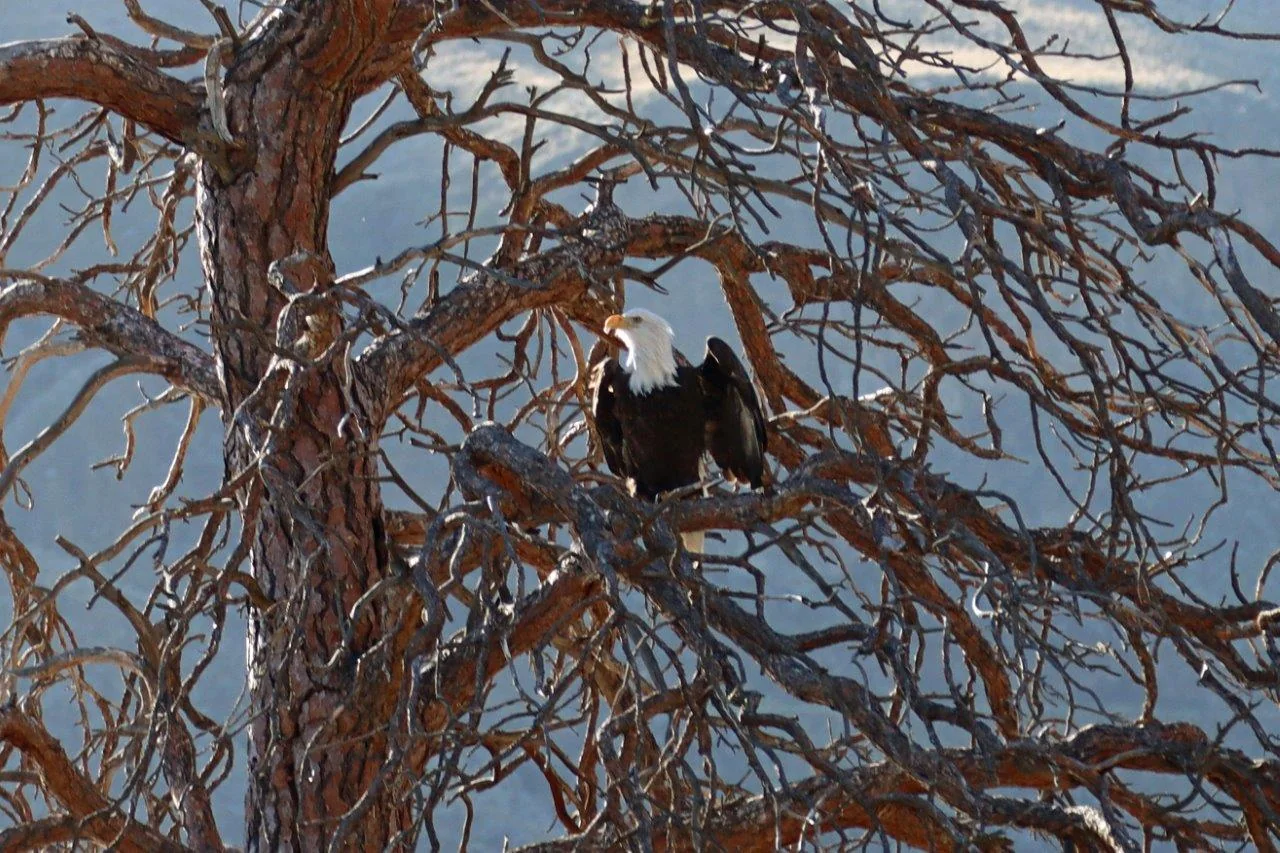
These two seasons are the best for wildlife watching, whether from the comfort of Rocky Mountaineer or out in the national parks in the Canadian Rockies. April and May are when bears start coming out of hibernation at lower altitudes. You might be lucky enough to see animals with their young taking tentative first steps. The elk rut kicks off in September, while fall months signal the salmon run, bringing bears and eagles to the river to feast.
Take a day tour
Rocky Mountaineer works with local tour operators in Banff and Jasper to curate packages that feature tours and activities. Taking a tour with professionals maximizes your chances of seeing animals while you’re exploring. Not only will they help spot the wildlife, but they’ll also be able to explain their behaviors and teach you about the environment.
Know what to look for
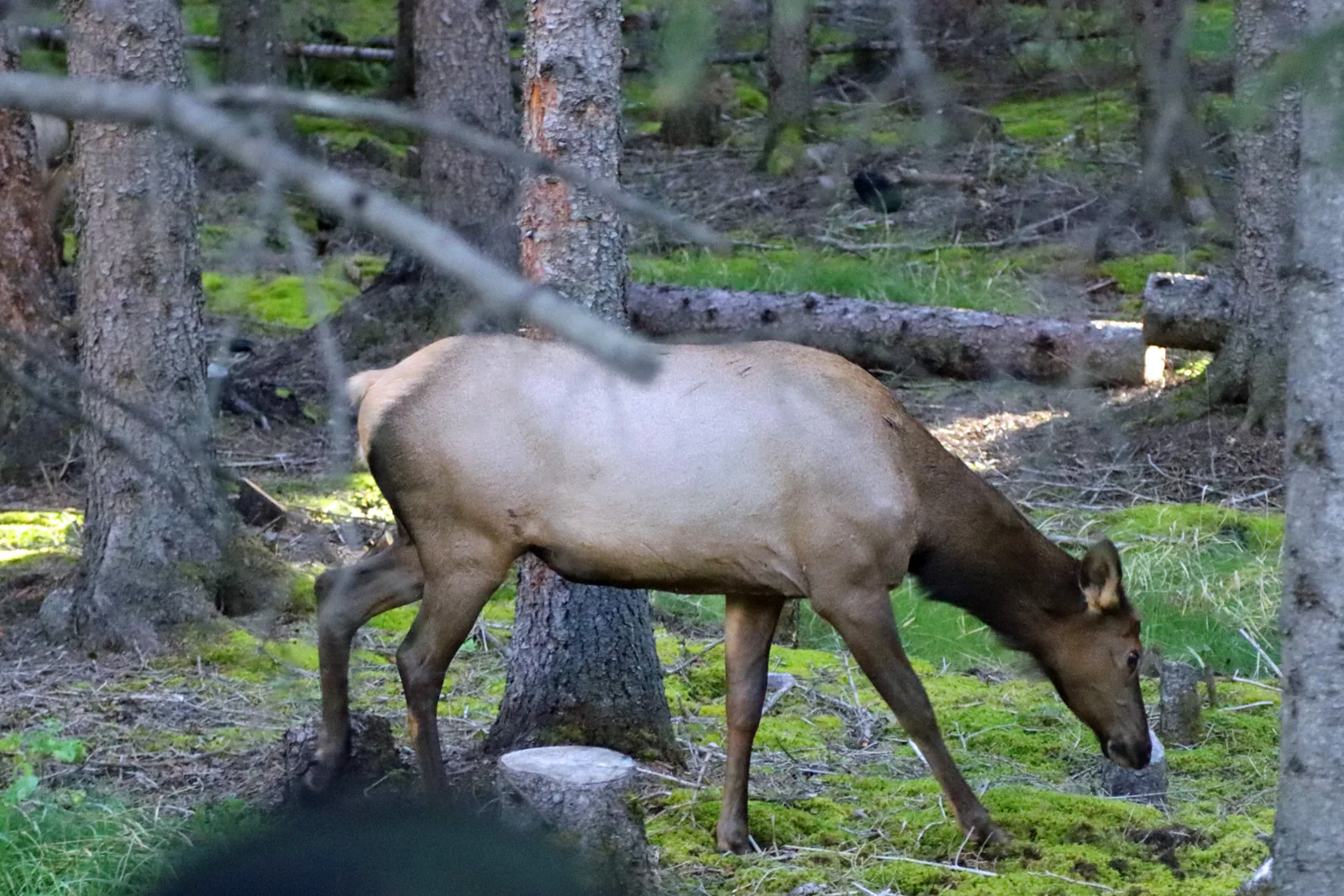
The national parks in the Canadian Rockies are where most of the wildlife roams, so if you’re heading out on your own, familiarize yourself with nature that might be in the area.
Look for signs that they have been around (such as droppings and prints), and any behavior that you should watch for.
Plan your day around the animals
In general, animals are most active early in the morning and late in the afternoon. Conveniently, these are also great times for photography!
Stay safe
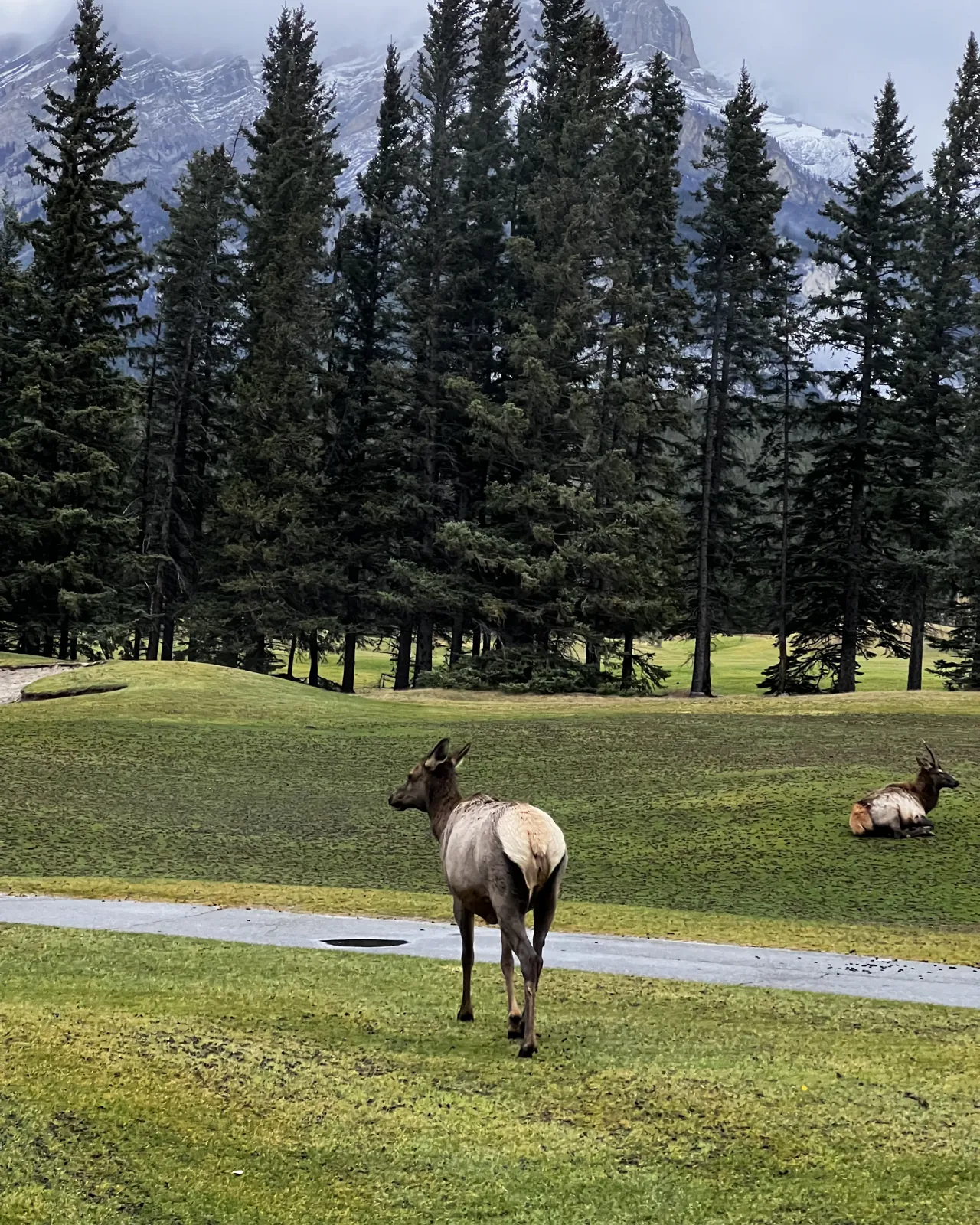
Wild animals are amazing creatures to observe, but they’re still wild, and unpredictable. When you’re in the parks in the Canadian Rockies, make sure you respect the animals, giving them plenty of room. They say that if you’re close enough to take a selfie with an animal, you’re too close! Watch for any sign that they might feel threatened and never get between an animal and its young. Make sure that you never mimic any of their calls or try to tempt them with food.
Train spotlight: spotting wildlife from the Rocky Mountaineer
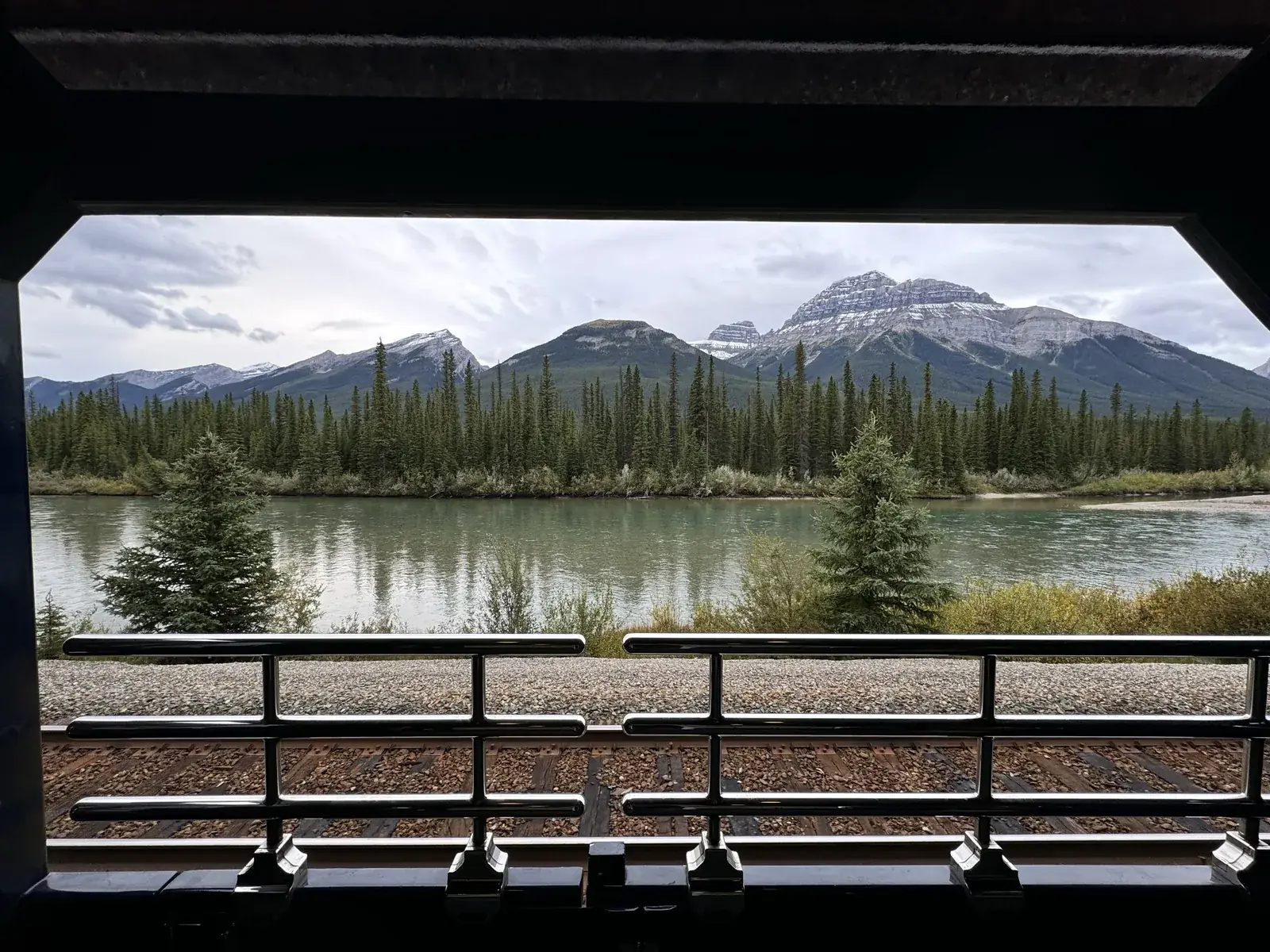
You do not have to be out in the parks to see wildlife. Rocky Mountaineer runs in daylight only, and the hosts call out animals when they spot them, so keep your camera within reach on both days. On Journey Through the Clouds, the second day follows the North Thompson River past Mount Robson and over the Yellowhead Pass into Jasper National Park, where elk are a common sight around town. First Passage to the West heads into Banff National Park instead.
The seasons in this article matter for price as well as wildlife. April is the best value month on the train, while September, with the elk rut and the fall color, is the most expensive. My day-by-day guide to the Canadian Rockies by train covers both seasons and the distance rules for wildlife in the parks, and my Journey Through the Clouds itinerary shows a full trip with time in Jasper, Lake Louise and Banff.
If seeing wildlife is high on your list, tell me when we talk and I will build a guided wildlife tour into your days in Banff or Jasper. Book a consultation and we will start there.
Canadian Rockies wildlife FAQ
Will I see wildlife from the Rocky Mountaineer? Often, though it is never guaranteed. The train runs in daylight and the hosts point out animals as they spot them. Elk, deer, bighorn sheep and eagles are the most common sightings, and bears turn up now and then.
When is the best time to see wildlife in the Canadian Rockies? Spring and fall. In April and May bears come out of hibernation at lower elevations, and in September the elk rut begins.
How close can I get to wildlife in Banff and Jasper? Parks Canada asks you to stay at least 30 meters from elk, deer and bighorn sheep, and at least 100 meters from bears, wolves and cougars. Never feed wildlife. The fines are steep.